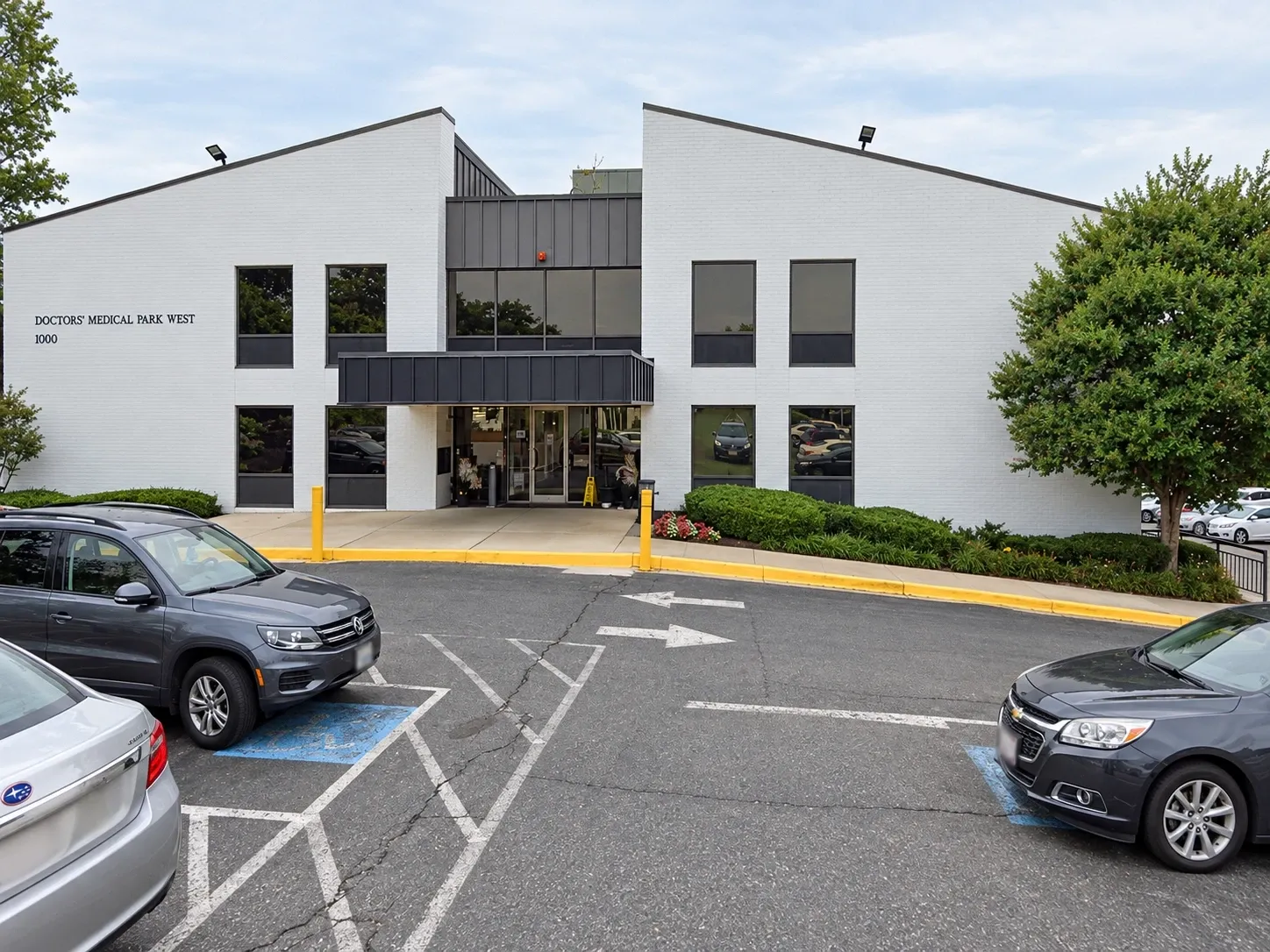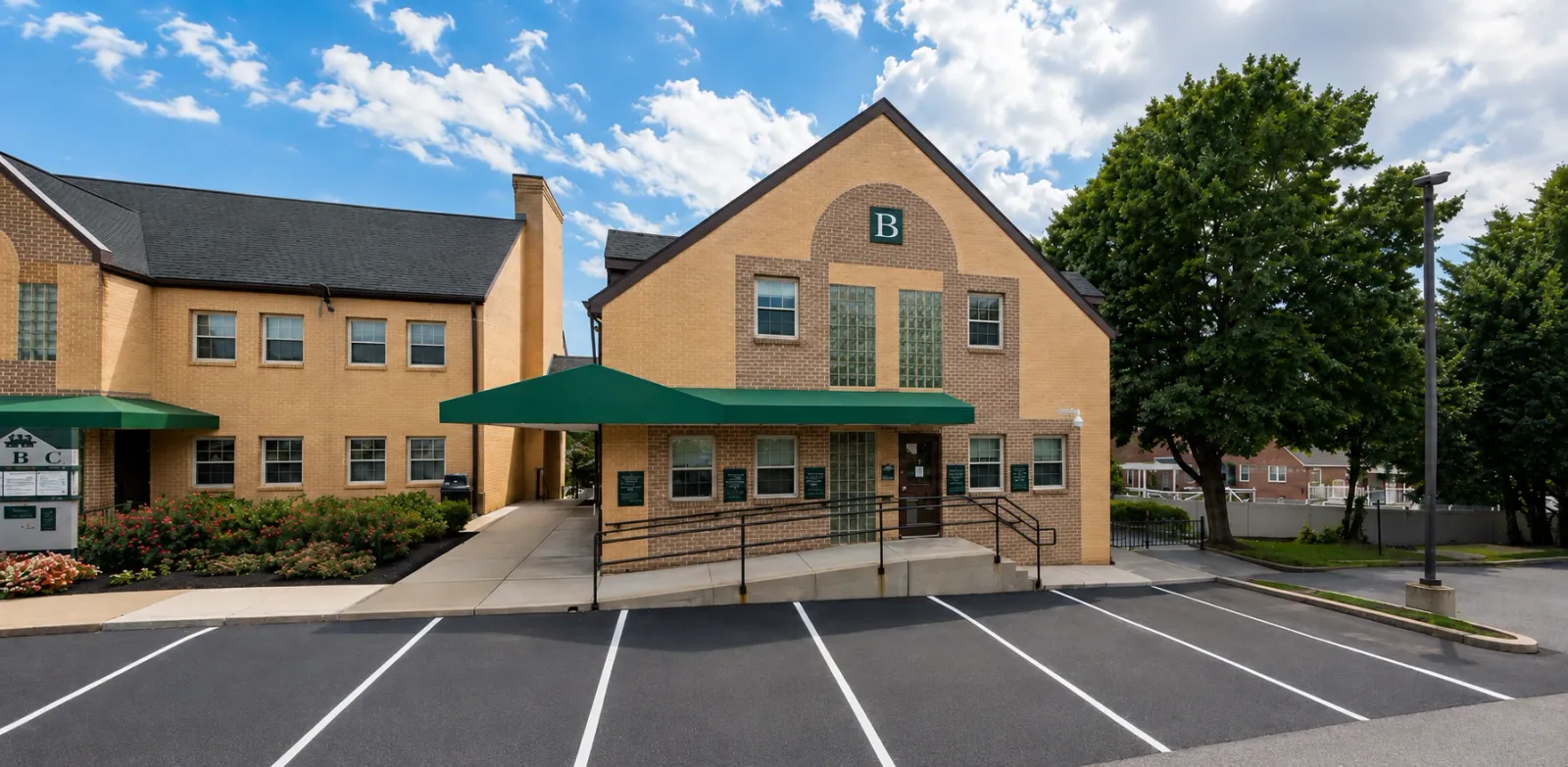

Gastroenterology in Annapolis
Gastroenterology care in Annapolis, Maryland, with endoscopy on site.
1419 Forest Drive, Suite 105, Annapolis, MD 21403
Services at this location
Colonoscopy and upper endoscopy are done here, in the same building where you see your doctor.
Procedures
Performed on site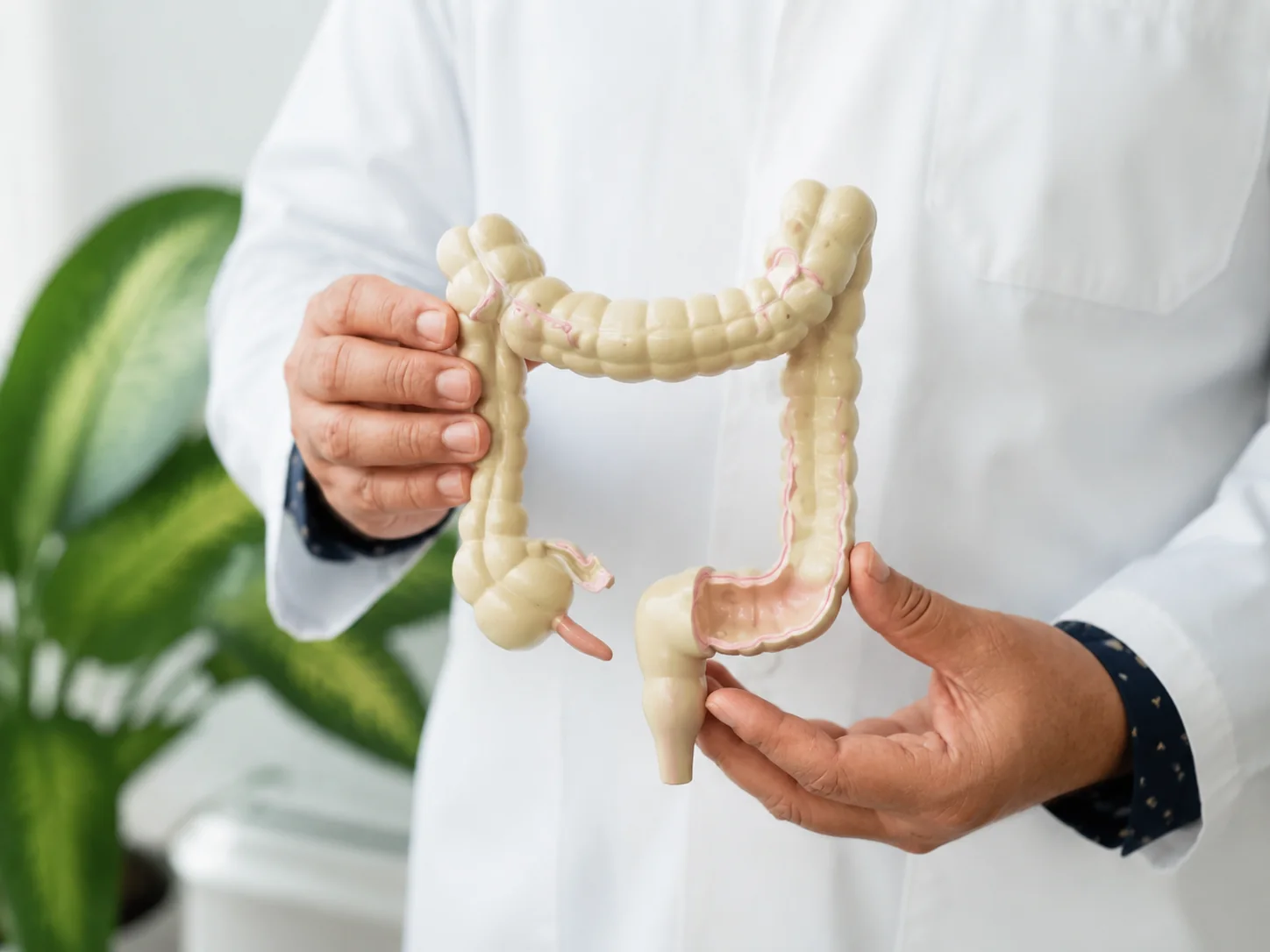
Specialist visits
By appointment
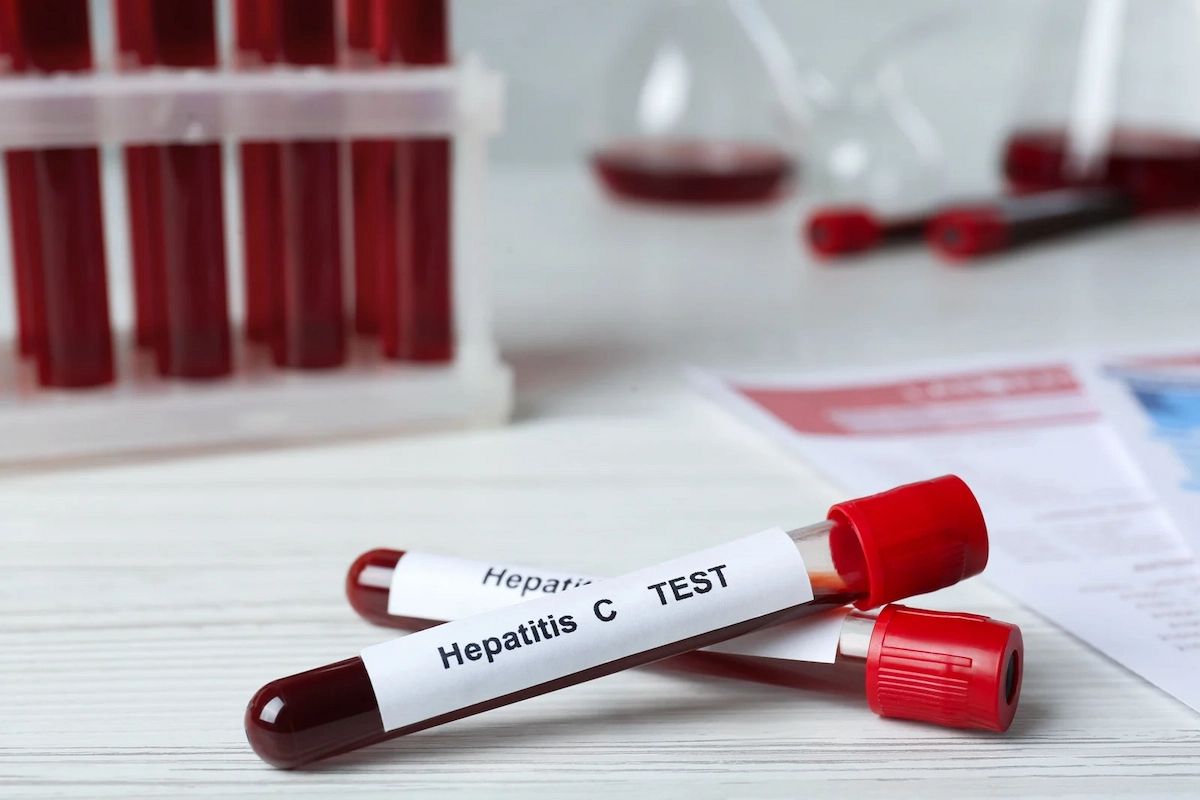
Gastro Center of Maryland (GCM) evaluates reflux, abdominal pain, bowel changes, and liver conditions for adults seeking a gastroenterologist near Annapolis. GCM serves Maryland and out-of-state patients through a regional network, with services varying by location. Patients can schedule a consultation to discuss symptoms, colorectal cancer screening, ongoing treatment, or a second opinion.
Our Annapolis location is at 1419 Forest Drive, Suite 105, Annapolis, MD 21403. Our customer service representative will coordinate the provider, appointment type, and location with you during the scheduling call.
What does a gastroenterologist near Annapolis treat?
A gastroenterologist diagnoses and treats conditions affecting the esophagus, stomach, intestines, colon, pancreas, gallbladder, bile ducts, and liver. Common reasons for consultation include persistent reflux, abdominal pain, changes in bowel habits, liver disease, and colorectal cancer screening.
GCM coordinates gastroenterology, hepatology, infusion-based biologic therapy, integrative nutrition, and in-house pathology. These services support diagnosis and continuing care, although appointments and procedures may take place at different locations.
An initial consultation helps determine whether medication, testing, dietary support, or monitoring is appropriate. A procedure is not automatically necessary. Patients comparing travel arrangements can also review consultation considerations around Bethesda, with the appointment site selected according to clinical needs and availability.
Seven signs it is time to see a gastroenterologist
Persistent or recurring digestive symptoms warrant evaluation, particularly when they affect eating, sleep, or daily activities. Seven reasons to arrange a consultation include:
- Frequent heartburn or regurgitation: Especially symptoms continuing despite treatment.
- Recurring abdominal pain: Particularly pain that persists or changes.
- Ongoing bowel changes: Sustained diarrhea, constipation, or altered stool patterns.
- Persistent bloating: Especially when eating or activities become difficult.
- Difficulty swallowing: Including food repeatedly feeling stuck.
- Blood or iron-deficiency anemia: Possible signs of digestive bleeding.
- Unintentional weight loss: Weight loss without a planned explanation.
These symptoms overlap across several conditions. They should not be used to self-diagnose Irritable Bowel Syndrome (IBS), Inflammatory Bowel Disease (IBD), or Gastroesophageal Reflux Disease (GERD). Duration, severity, medication use, and associated symptoms help guide assessment.
Symptoms that need urgent assessment
Severe chest pain, vomiting blood, heavy rectal bleeding, fainting, severe abdominal pain, or inability to swallow requires immediate medical assessment rather than routine booking. Severe chest pain warrants emergency care because heart-related pain can resemble reflux.
Black, tarry stools differ from ordinary stool-color variation and require urgent assessment, particularly with weakness or dizziness. Although iron supplements can darken stool, suspected bleeding should not be dismissed.
Colorectal cancer screening may also be appropriate without symptoms.
Care for reflux, IBS, liver disease, and related conditions
Reflux that continues despite treatment
Heartburn commonly causes burning behind the breastbone. Regurgitation involves stomach contents returning toward the throat or mouth. Neither symptom alone confirms GERD, and other disorders can produce similar complaints.
Evaluation may include a review of medications, the timing of prescribed acid-suppressing treatment, and individualized measures involving meals, sleep positioning, or weight management. Upper Gastrointestinal Endoscopy or Bravo pH Testing may be appropriate when findings would change treatment.
In a 2015 U.S. survey, 54.1% of surveyed daily proton pump inhibitor (PPI) users reported persistent symptoms (Delshad et al., Gastroenterology). That historical national finding is not GCM outcome data. Persistent symptoms do not automatically mean stronger acid suppression is appropriate; reassessment may identify another explanation.
IBS, bloating, and changes in bowel habits
IBS involves recurrent abdominal pain and changes in bowel habits without the intestinal inflammation characteristic of IBD. Symptoms are real and may interfere with work, meals, and sleep.
Assessment can include targeted testing, dietary support, and medication selected for constipation, diarrhea, or pain. Small Intestinal Bacterial Overgrowth (SIBO) is a separate condition, not another name for IBS. Testing for SIBO is appropriate only in selected circumstances.
Overlapping reflux, bloating, and bowel symptoms may require a coordinated treatment plan. Patients arranging ongoing visits can review digestive care access around Columbia when considering travel and follow-up.
IBD, celiac disease, and liver conditions
Crohn’s disease and ulcerative colitis cause intestinal inflammation and differ from IBS. Treatment includes monitoring symptoms and disease activity, with infusion-based biologic therapy when indicated. IBD generally requires continuing care rather than treatment only during symptom flares (Centers for Disease Control and Prevention).
Celiac disease evaluation may involve blood tests and small-intestinal biopsies. Starting a gluten-free diet before testing can affect results, so testing should be discussed before dietary restriction.
GCM’s Hepatitis, Fatty Liver & Cirrhosis services address liver conditions through diagnosis-specific assessment and follow-up. Hepatology, nutrition, infusion care, and pathology can be coordinated without assuming every service occurs at one site.
Which GI tests or screening options may be recommended?
Colorectal cancer screening and colonoscopy
Average-risk colorectal cancer screening generally begins at age 45. Family history, previous polyps, IBD, or certain inherited conditions may change the starting age and screening schedule.
Screening evaluates people without symptoms. Bleeding, unexplained anemia, or sustained bowel changes may instead require diagnostic evaluation, regardless of whether routine screening is due.
Stool-based tests and colonoscopy have different indications and follow-up requirements. An abnormal stool-based screening test requires colonoscopy. During colonoscopy, physicians can examine the colon and remove many types of polyps.
GI Genius™ is an artificial intelligence-assisted tool that supports polyp detection during colonoscopy. It does not replace physician assessment or guarantee detection. Device availability should be confirmed for the planned endoscopy center.
Tests matched to symptoms and findings
Upper Gastrointestinal Endoscopy examines the upper digestive tract for selected swallowing, reflux, or other concerns. Bravo pH Testing measures esophageal acid exposure, while Small Bowel PillCam Endoscopy captures images during selected small-intestinal investigations.
Endoscopic Ultrasound (EUS) provides detailed imaging of digestive structures and nearby organs. Endoscopic Retrograde Cholangiopancreatography (ERCP) is primarily used to treat selected bile-duct or pancreatic-duct problems rather than as a routine screening test. Liver Elastography noninvasively assesses liver stiffness, which can help evaluate scarring.
Symptoms, prior results, medical history, and procedural risks guide selection. Scheduling staff will confirm the address, contact details, and procedure availability.
How to compare Annapolis and Maryland GI doctors
Credentials, clinical fit, and appointment access
No single physician is the best fit for every digestive condition or patient. Useful comparisons include relevant clinical experience, physician board certification, hospital and procedure arrangements, communication needs, appointment availability, and insurance participation.
GCM has more than 30 providers across more than 11 Maryland locations. The team includes board-certified gastroenterologists, advanced practitioners, and anesthesiologists. Provider roles differ, and physician board certification should not be assumed for every team member.
Female gastroenterologists can be requested, and multilingual, culturally inclusive care is available subject to provider availability. Appointments are often available as soon as the next day, although access depends on the clinician, service, and location.
For patients comparing GI care across Baltimore-area communities, the relevant measure is whether a clinician’s experience and available services match the condition. A second opinion may be useful when a diagnosis remains uncertain or treatment has not adequately controlled symptoms.
Endoscopy centers and verified patient feedback
GCM has clinics in Annapolis, Columbia, Timonium, Olney, Riverdale, and Rockville, and procedure availability requires confirmation at the selected site. Accreditation is a quality signal concerning organizational standards, not a guarantee of an individual outcome. Current status and the scheduled facility should be confirmed during procedure planning.
Patient feedback can provide context about communication, scheduling, and preparation instructions. Ratings are most useful when the platform, review count, and scope are clear. Practice-wide feedback should not be treated as a rating for every clinician or location.
Scheduling a GCM visit and preparing for the appointment
Referrals, insurance, and location selection
A gastroenterology visit does not always require a referral. Requirements depend on the insurance plan and appointment type and should be confirmed with the insurer and GCM.
GCM accepts most major insurance, subject to verification of the plan, clinician, service, and facility. Out-of-state patients can schedule with advance coordination of coverage, records, and travel.
Records, preparation resources, and booking options
Useful records include medication details, prior endoscopy and pathology reports, relevant imaging and laboratory results, and a brief symptom history. Referring primary care practices can coordinate records transfer through GCM’s scheduling team using the receiving office’s confirmed secure delivery method.
Prep Instructions and Medical Transportation resources apply when relevant to a scheduled procedure. Bowel preparation is not routinely required for an initial consultation.
Book Online through GCM’s appointment system or Call GCM for scheduling. Persistent symptoms, unresolved treatment questions, and screening eligibility are reasons to arrange a consultation and establish an appropriate care plan.
Smoking, Drug & Alcohol: Gastro Center of Maryland is a smoke and tobacco-free facility. All forms of tobacco and nicotine use, including smoking and vaping, are prohibited in interior areas of the Center and exterior areas of the Center, including sidewalks, outdoor sitting areas, and the parking lot. Anyone wishing to use tobacco or nicotine must do so in their private vehicle. Gastro Center of Maryland is committed to maintaining a safe and professional environment. The use, possession, or influence of illegal drugs, alcohol, or misused prescription medications is strictly prohibited. Weapons: Firearms and other dangerous weapons are strictly prohibited at all times on Gastro Center of Maryland property. It is the policy of Gastro Center of Maryland to maintain the privacy and confidentiality of all patient information, whether spoken, written or electronic, in accordance with HIPAA regulations and other applicable privacy laws.
Visit this location
- AnnapolisEndoscopy on siteOn siteEndoscopy is available at this location. Other offices may use a separate procedure center.1419 Forest Drive, Suite 105, Annapolis, MD 21403
Other Maryland clinic offices

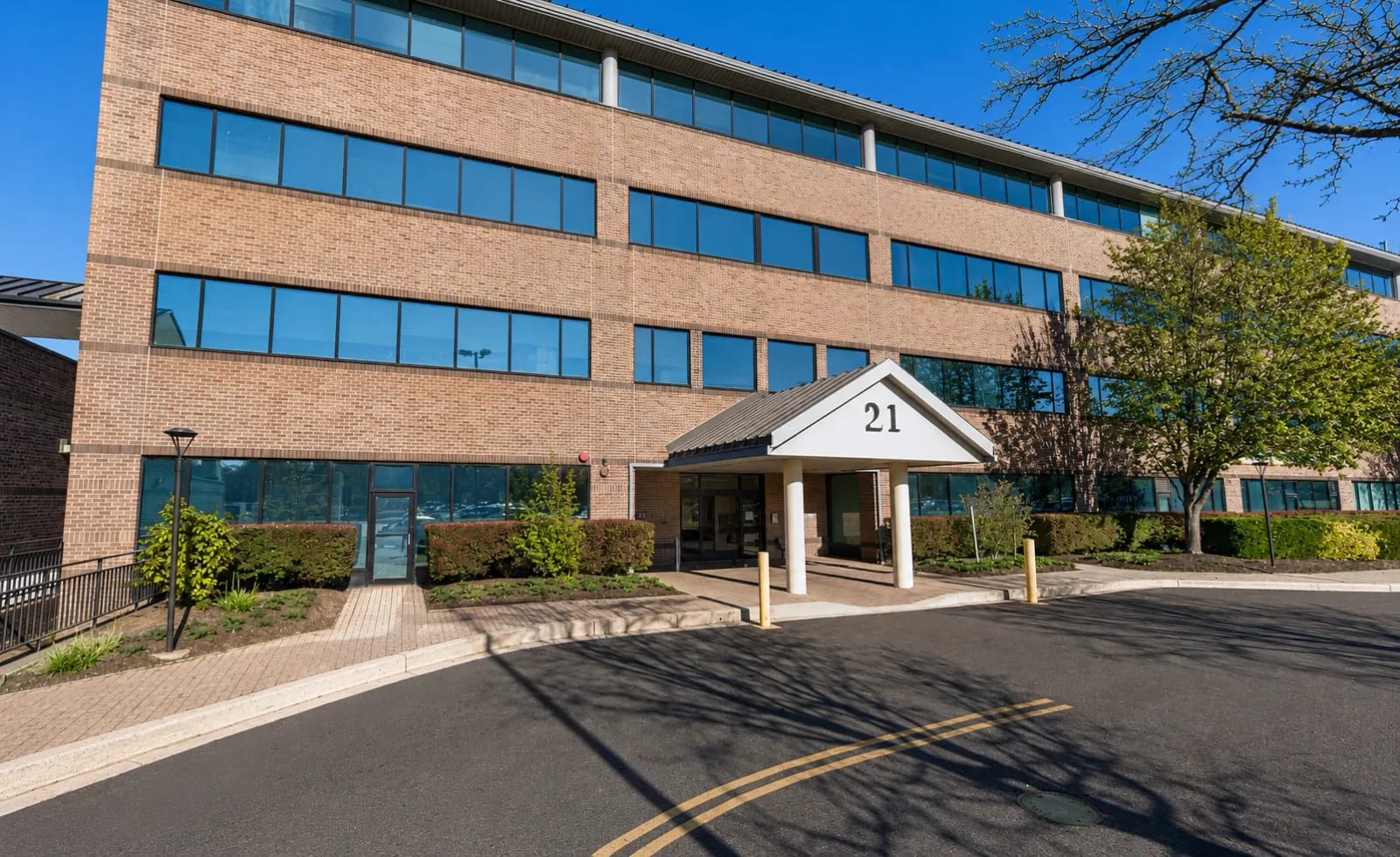
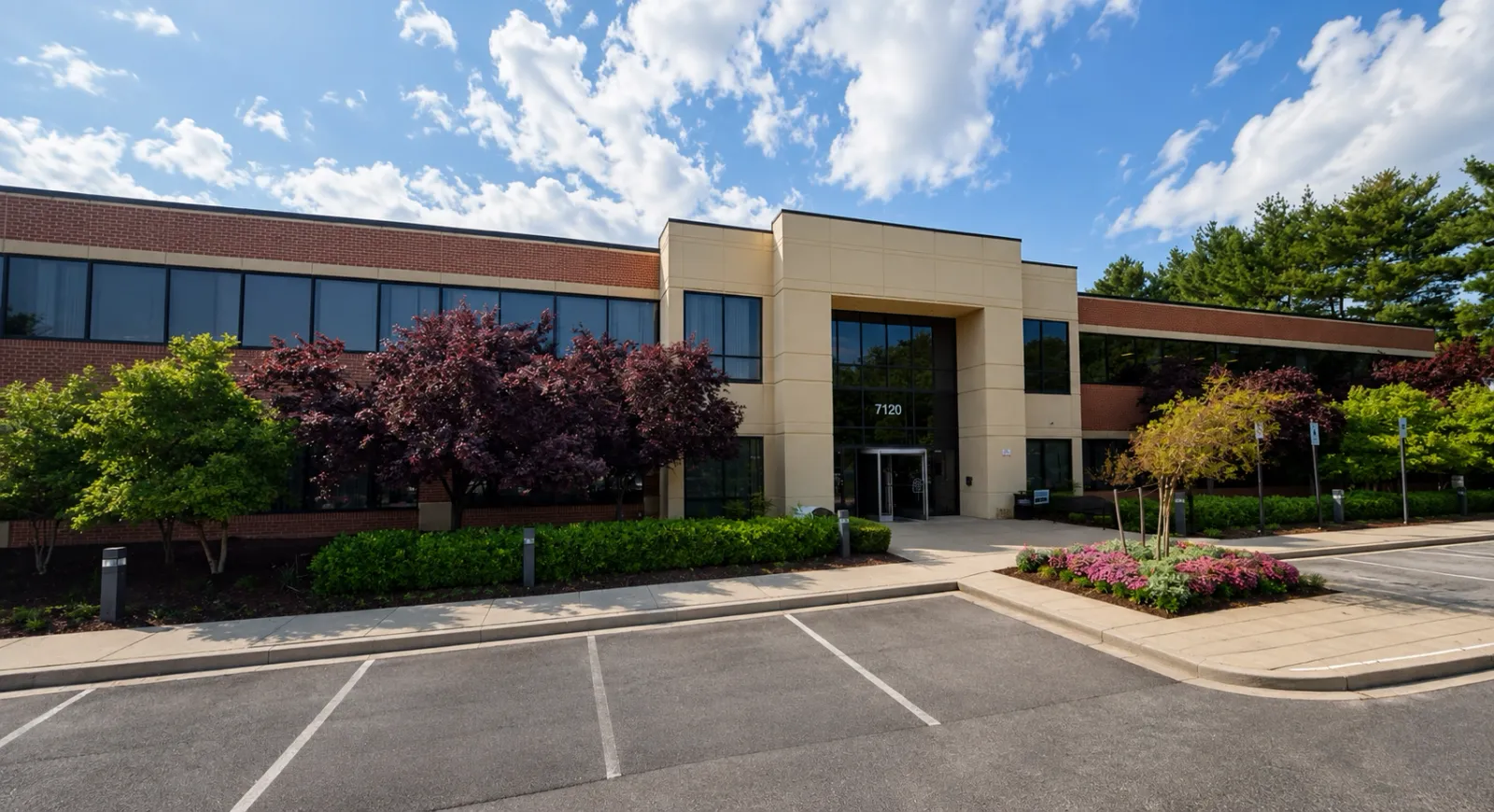 ColumbiaEndoscopy on siteOn siteEndoscopy is available at this location. Other offices may use a separate procedure center.7120 Minstrel Way, Suite #100 & #211, Columbia, MD 21045
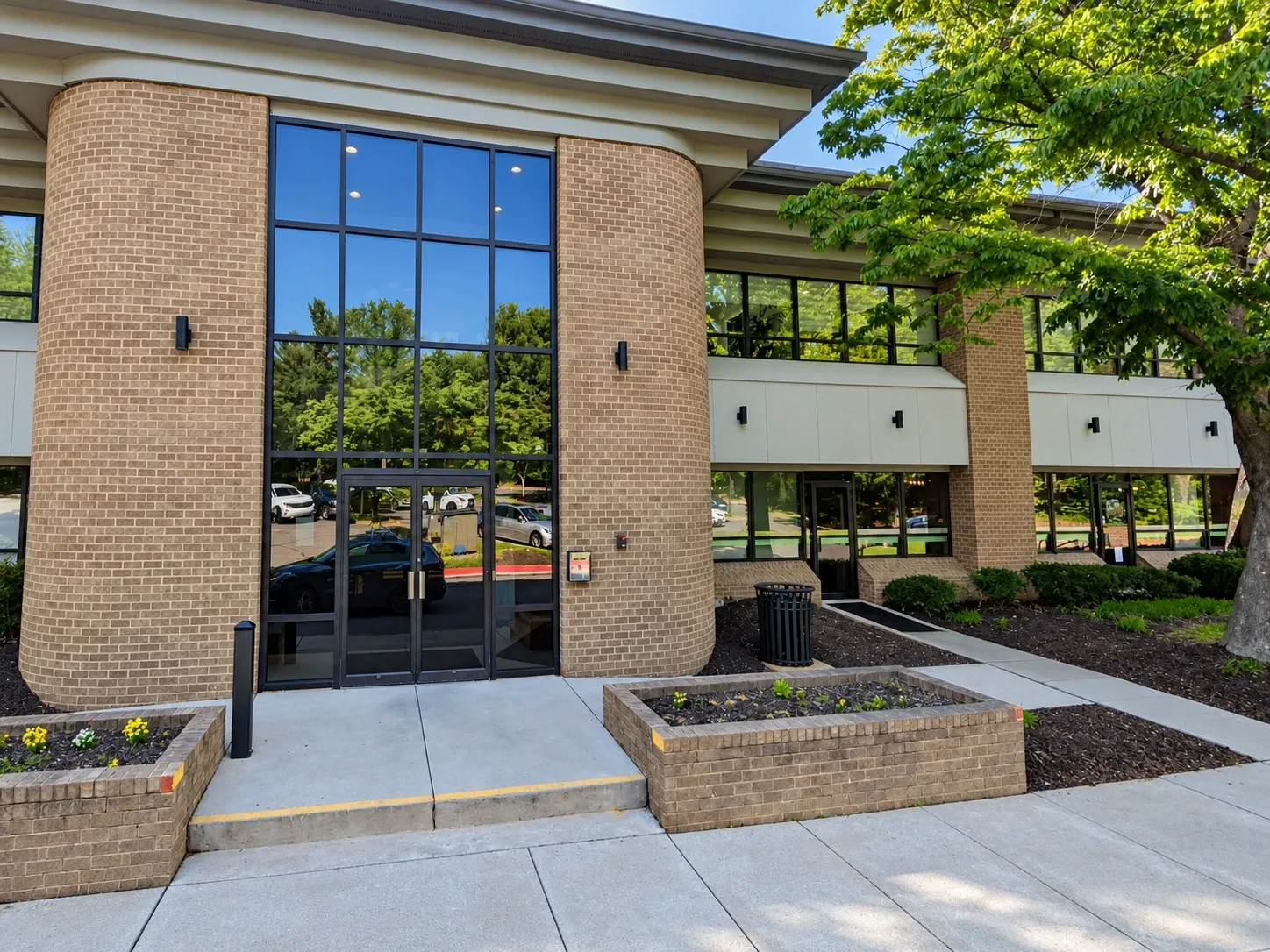
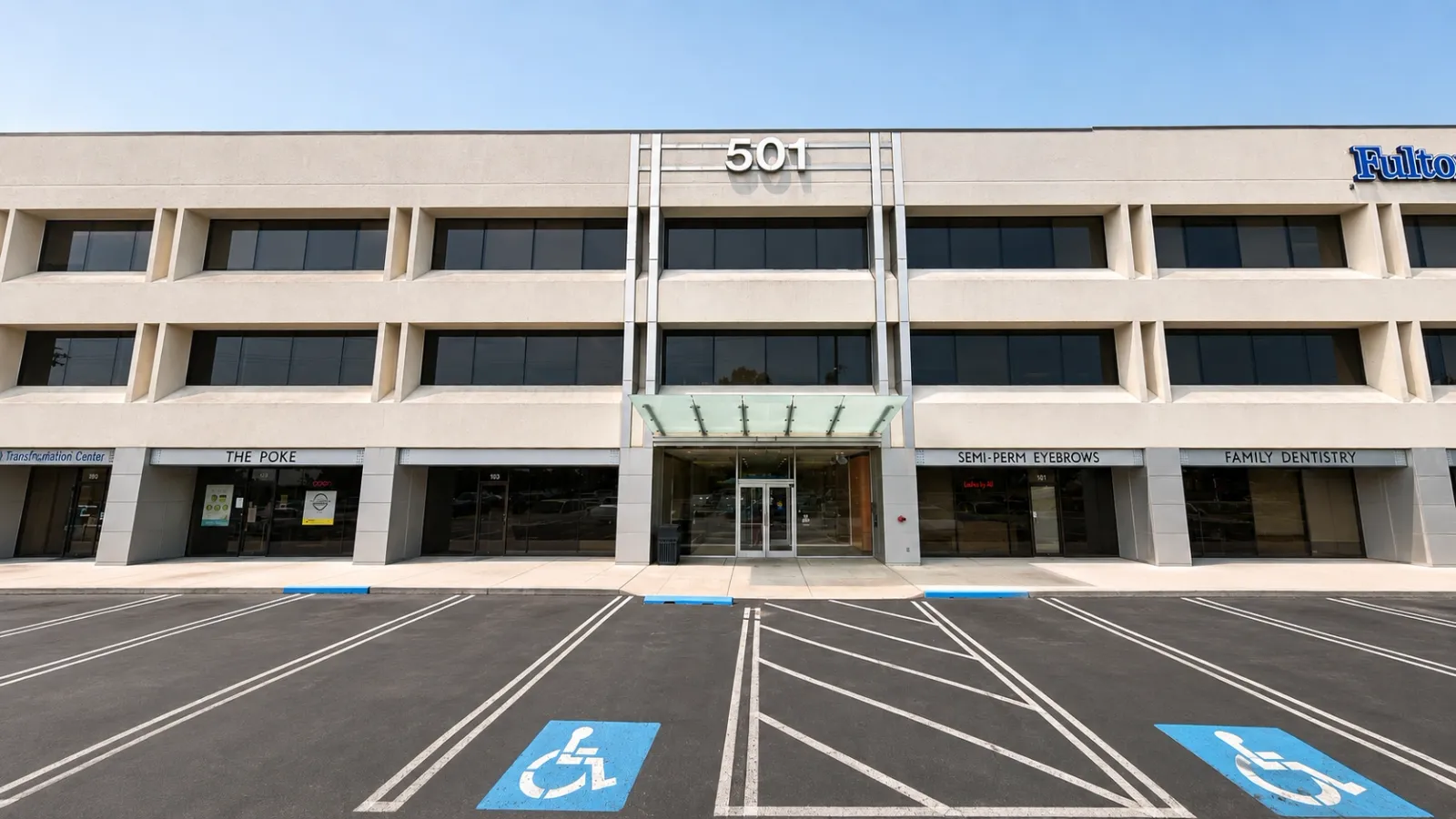
 OlneyEndoscopy on siteOn siteEndoscopy is available at this location. Other offices may use a separate procedure center.3405 Olandwood Court, Suite #102, Olney, MD 20832
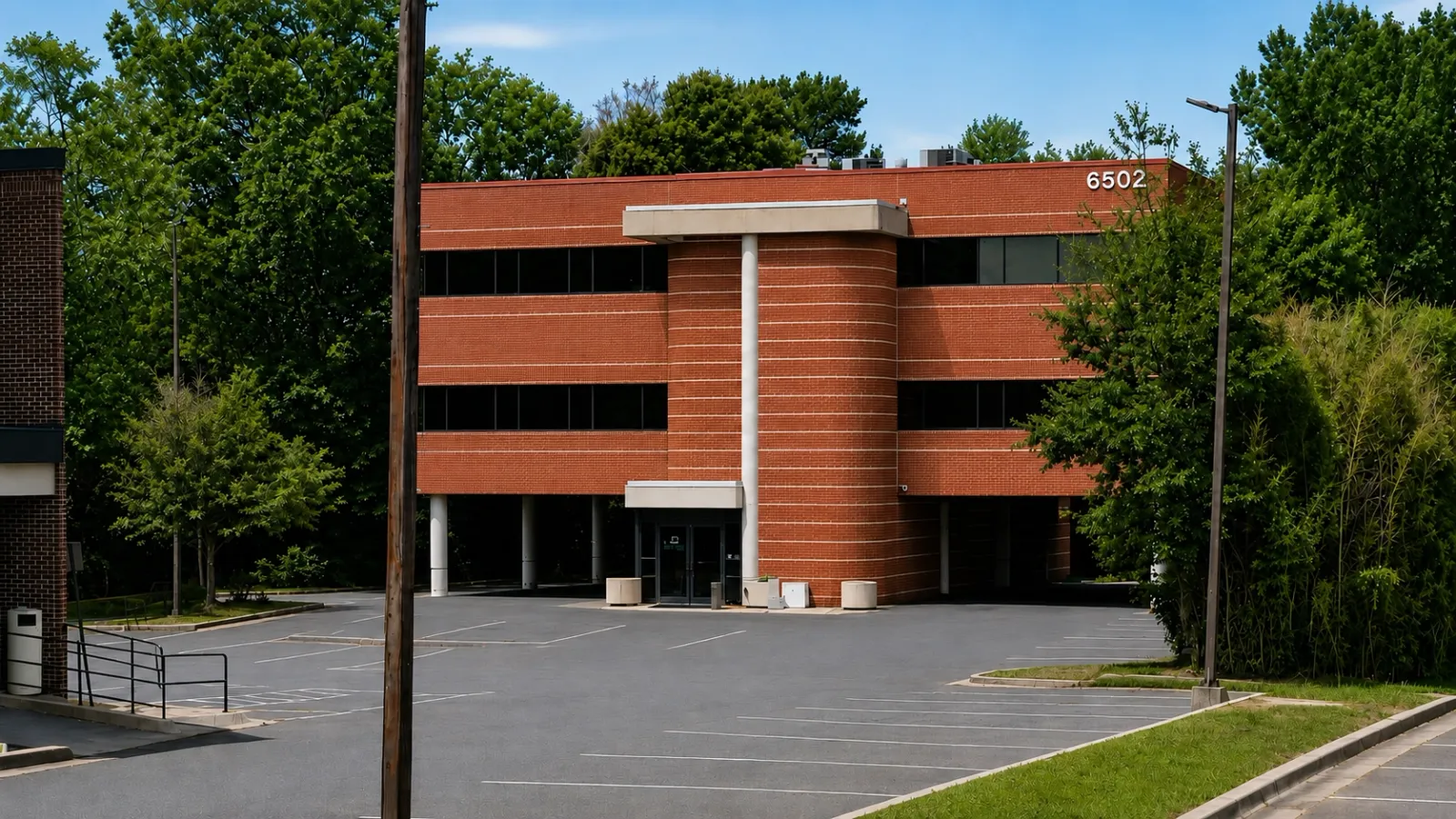 RiverdaleEndoscopy on siteOn siteEndoscopy is available at this location. Other offices may use a separate procedure center.6502 Kenilworth Avenue, Suite #100, Riverdale, MD 20737