
Endoscopic ultrasound (EUS) combines endoscopy with high-frequency ultrasound to produce detailed images of the digestive tract and the organs that sit beside it, including the pancreas, bile ducts, and lymph nodes. At the Gastro Center of Maryland, board-certified gastroenterologists use EUS to answer questions that other imaging tests leave open, and to collect tissue samples when a diagnosis needs to be confirmed. Gastro Center of Maryland serves patients throughout the greater DMV area.
What is an endoscopic ultrasound?
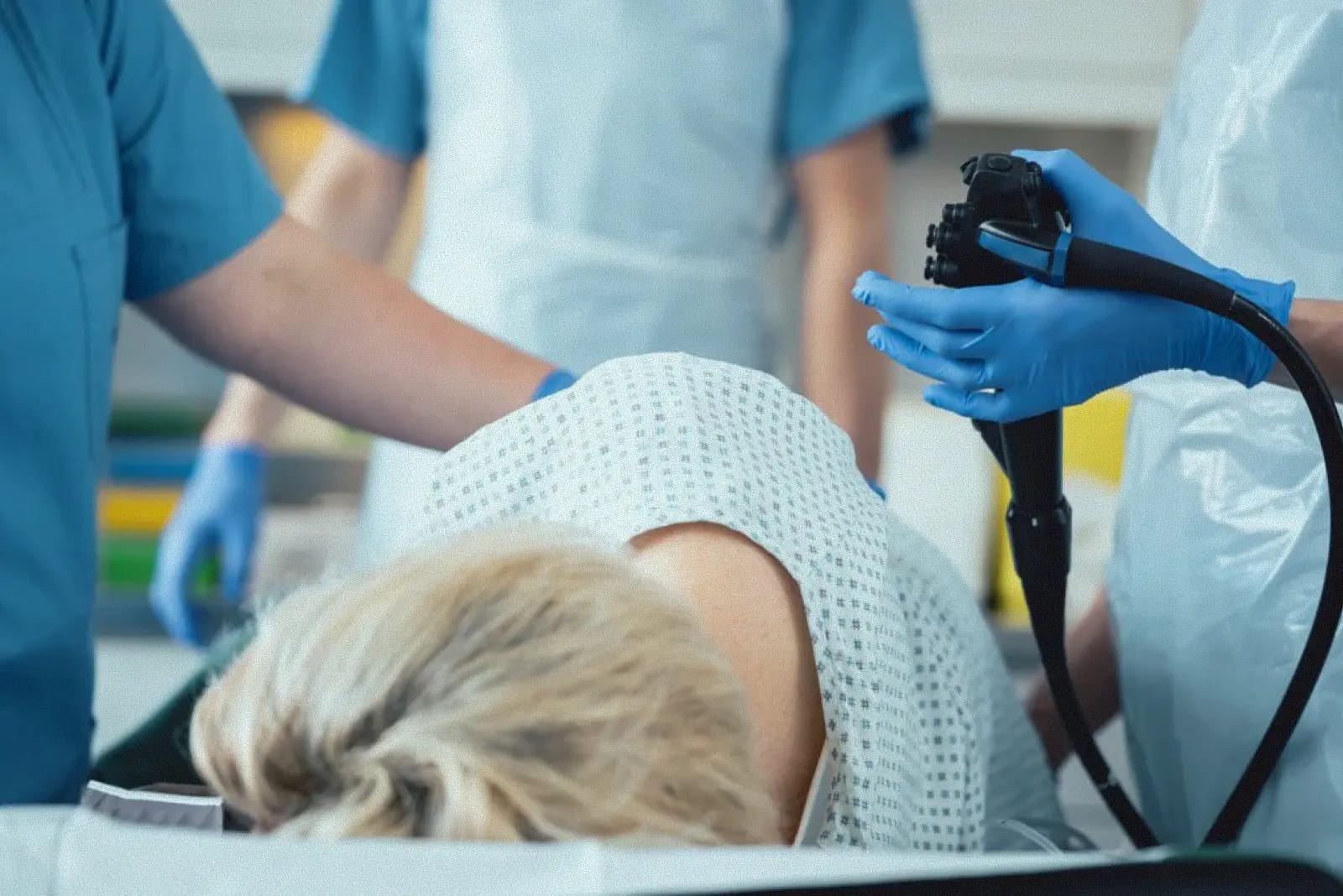
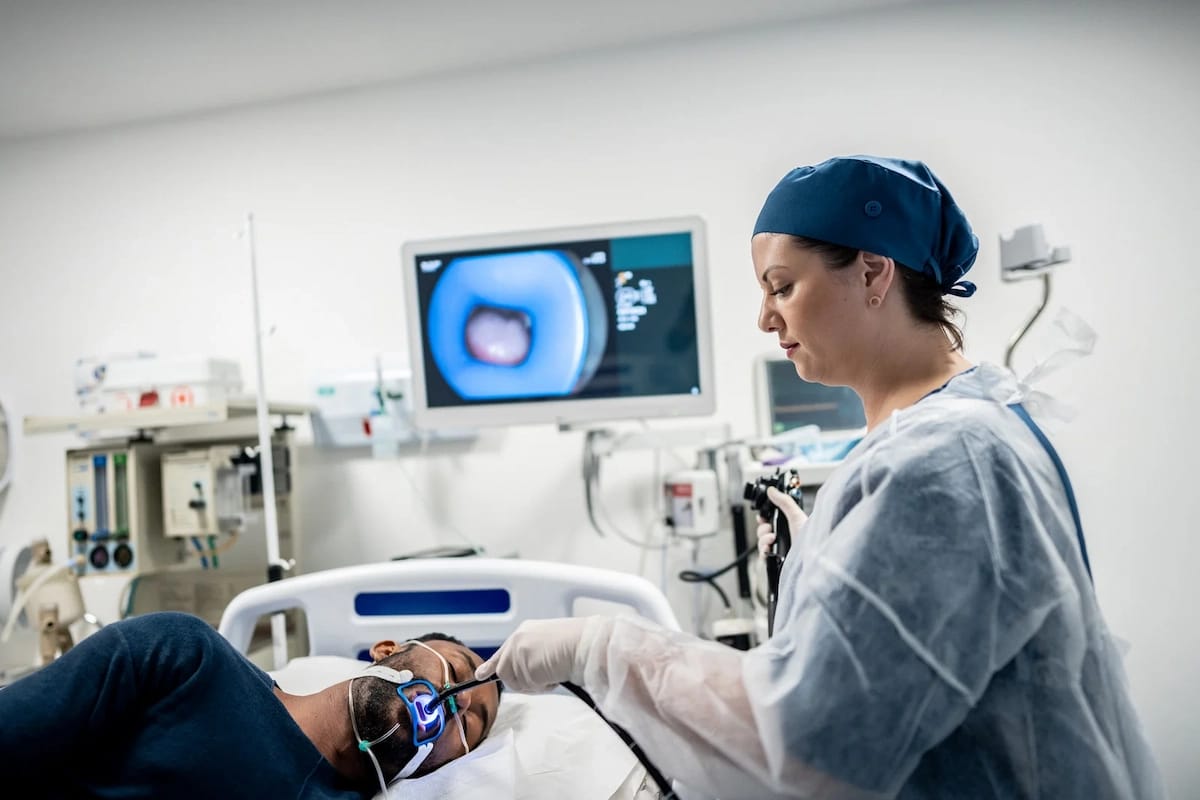
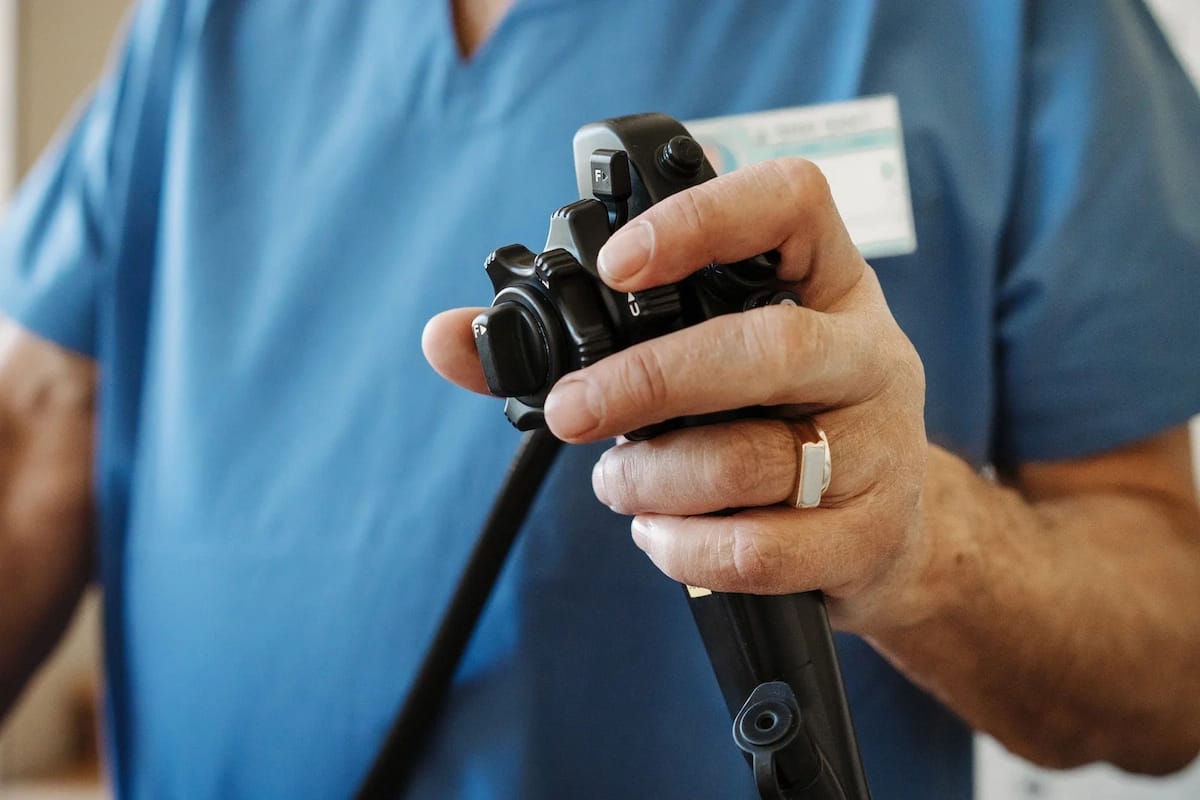
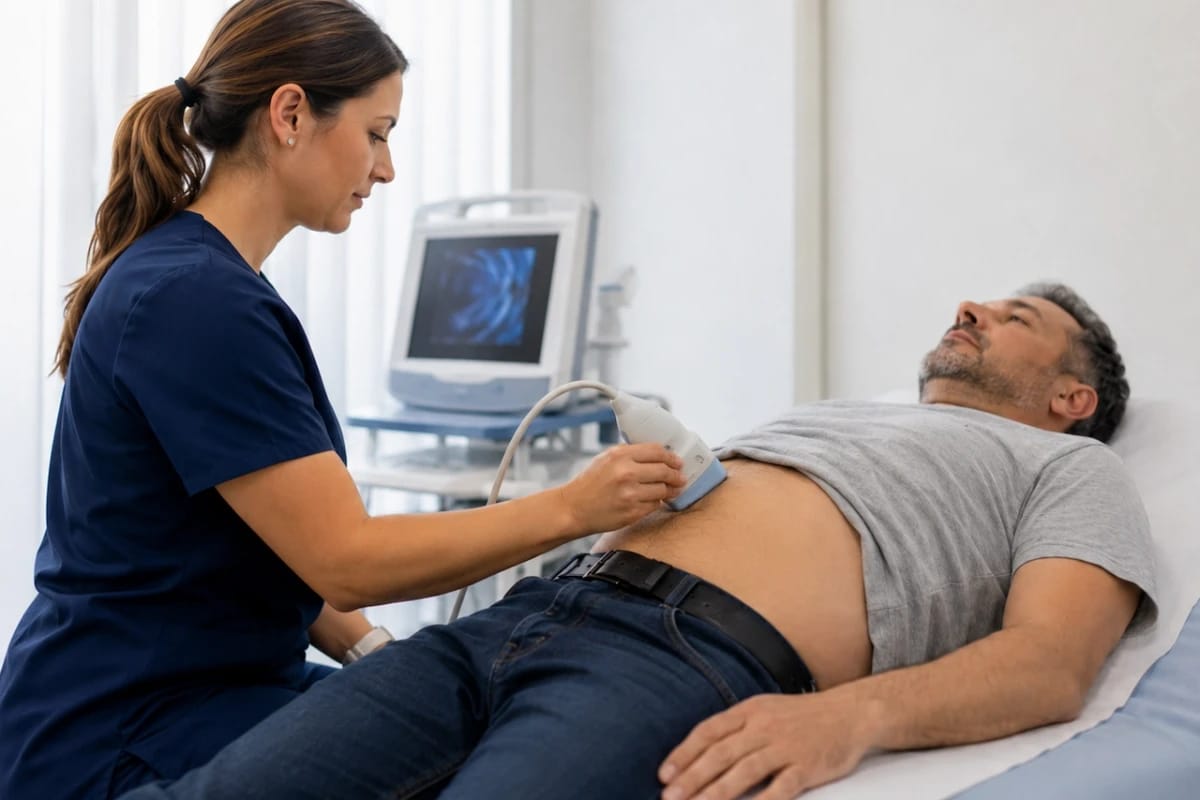
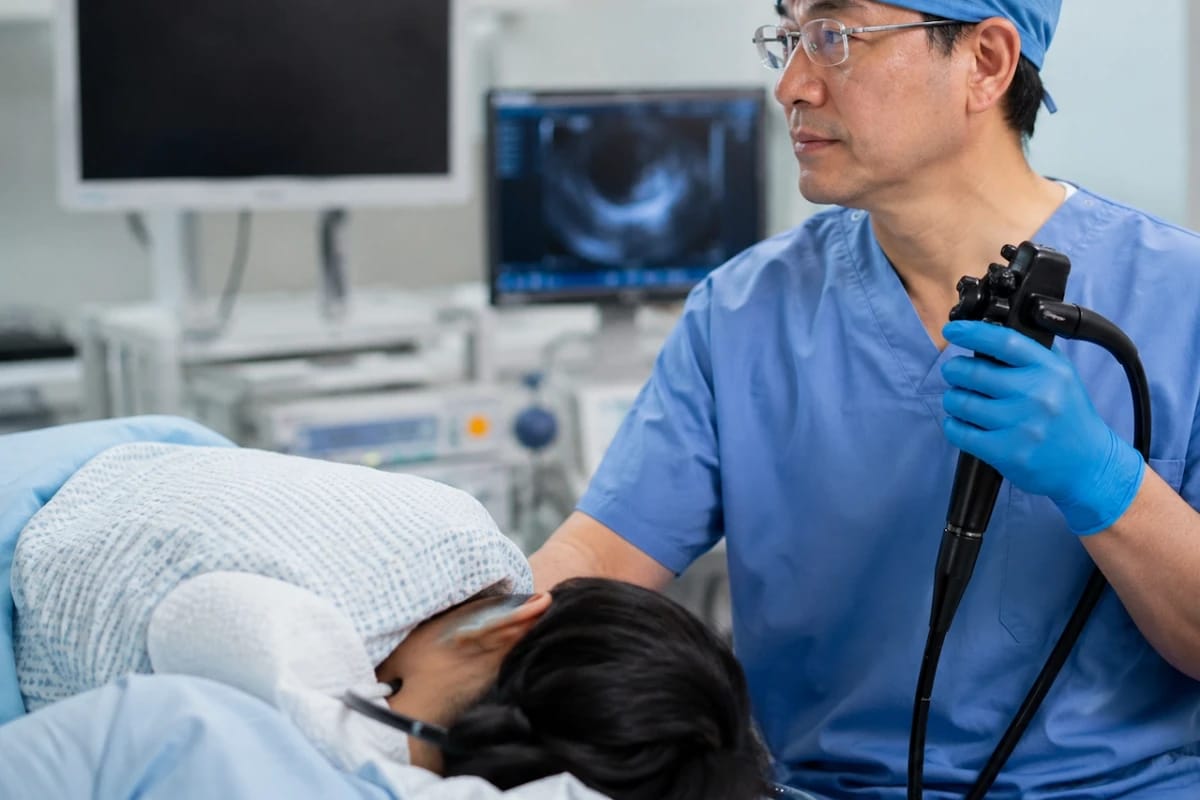
During an EUS, a thin, flexible endoscope with a small ultrasound probe at its tip is passed through the mouth, down the esophagus, and into the stomach and upper small intestine. Because the probe sits directly against the wall of the digestive tract, it can capture images of nearby organs at much closer range than an ultrasound performed from outside the body, revealing detail that a CT scan or standard ultrasound may miss.
If your gastroenterologist finds an area that needs further evaluation, a fine needle can be guided through the endoscope, using the ultrasound image for direction, to take a sample of tissue or fluid. This is known as fine needle aspiration or biopsy, and it is performed during the same appointment.
What conditions can EUS help evaluate?
Your provider may recommend endoscopic ultrasound to investigate or stage a wide range of conditions, including:
- Pancreatic cysts, masses, and chronic pancreatitis
- Bile duct stones and narrowing of the bile ducts
- Submucosal lesions in the esophagus, stomach, or small intestine
- Enlarged lymph nodes near the digestive tract
- Staging of esophageal, stomach, pancreatic, and rectal cancers
- Unexplained abdominal pain when other testing has been inconclusive
- Abnormal findings on a CT scan or MRI that need a closer look
Why might I need an endoscopic ultrasound?
EUS is often recommended when imaging has shown something that needs clarifying, when a diagnosis depends on a tissue sample, or when knowing the exact depth and extent of a lesion will change the treatment plan. Because the images and the biopsy can be obtained in a single visit, EUS frequently spares patients a longer series of tests or a more invasive surgical procedure.
Your gastroenterologist will review your symptoms, prior imaging, and medical history with you, explain what the study is expected to show, and answer your questions before anything is scheduled.
What should I expect during the procedure?
EUS is performed as an outpatient procedure under sedation, so you should be comfortable and are unlikely to remember it. Most examinations take between 30 and 60 minutes, depending on what is being evaluated and whether a biopsy is taken. You will rest in recovery afterward and go home the same day with written instructions, and because of the sedation you will need someone to drive you home.
If your doctor has referred you for an endoscopic ultrasound, or you would like to know whether EUS is the right next step for you, contact the Gastro Center of Maryland to speak with our team or request an appointment online.