

Board-certified gastroenterologists at the Gastro Center of Maryland offer individualized treatment plans and diagnostic procedures, including colonoscopy, to evaluate and maintain bowel health. Gastro Center of Maryland provides comprehensive services to patients throughout the greater DMV area. To schedule a consultation, call us or book an appointment online today!
What is involved in a colonoscopy?
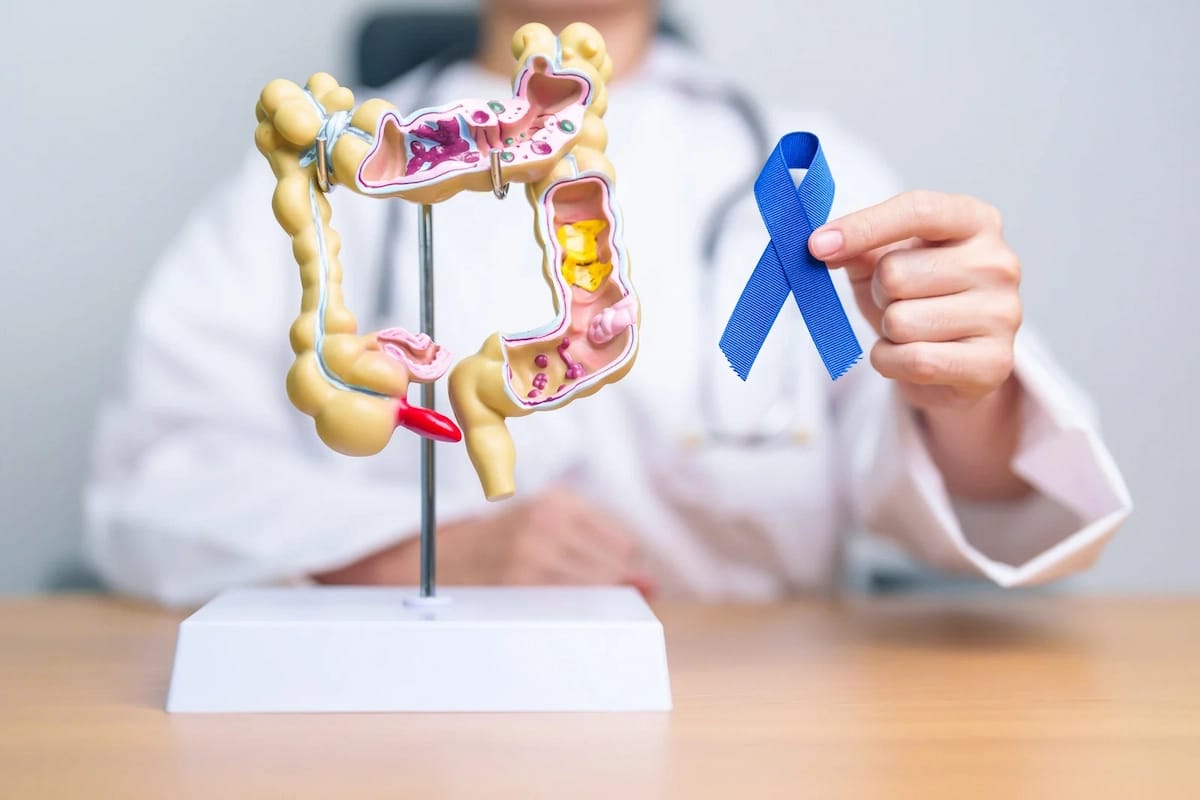
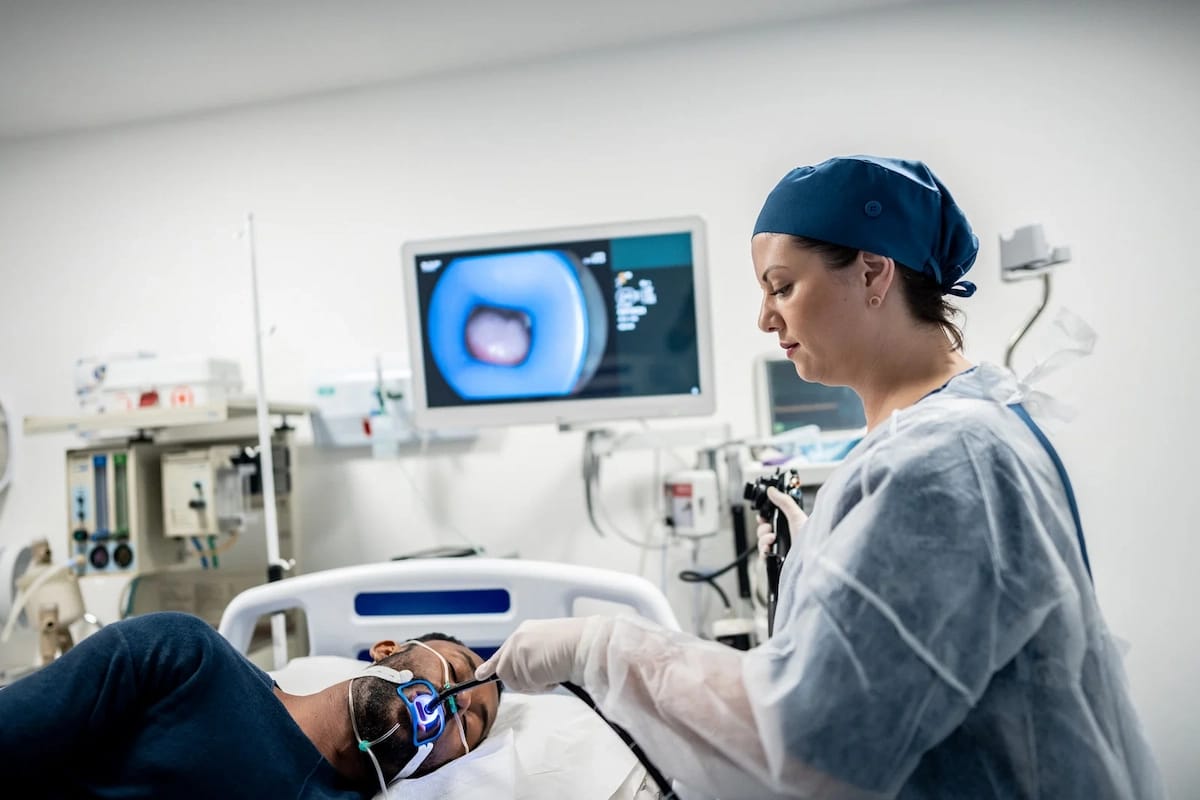
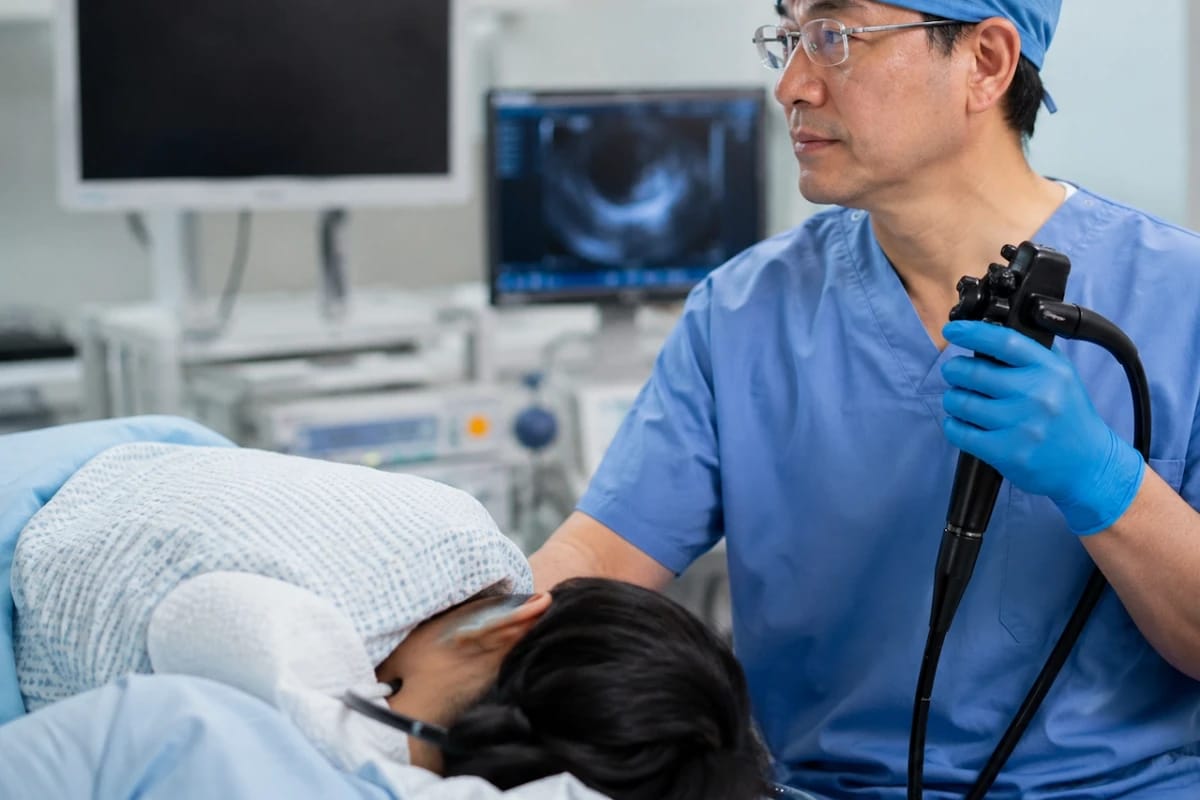
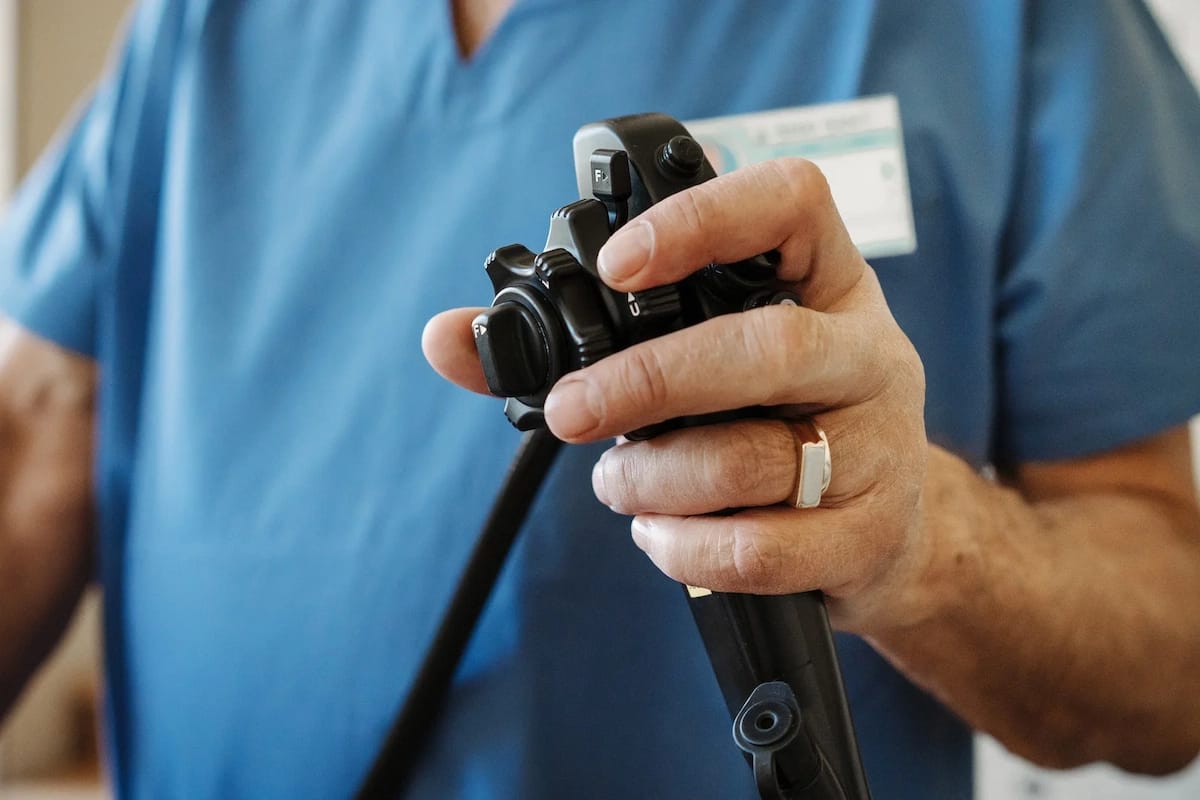
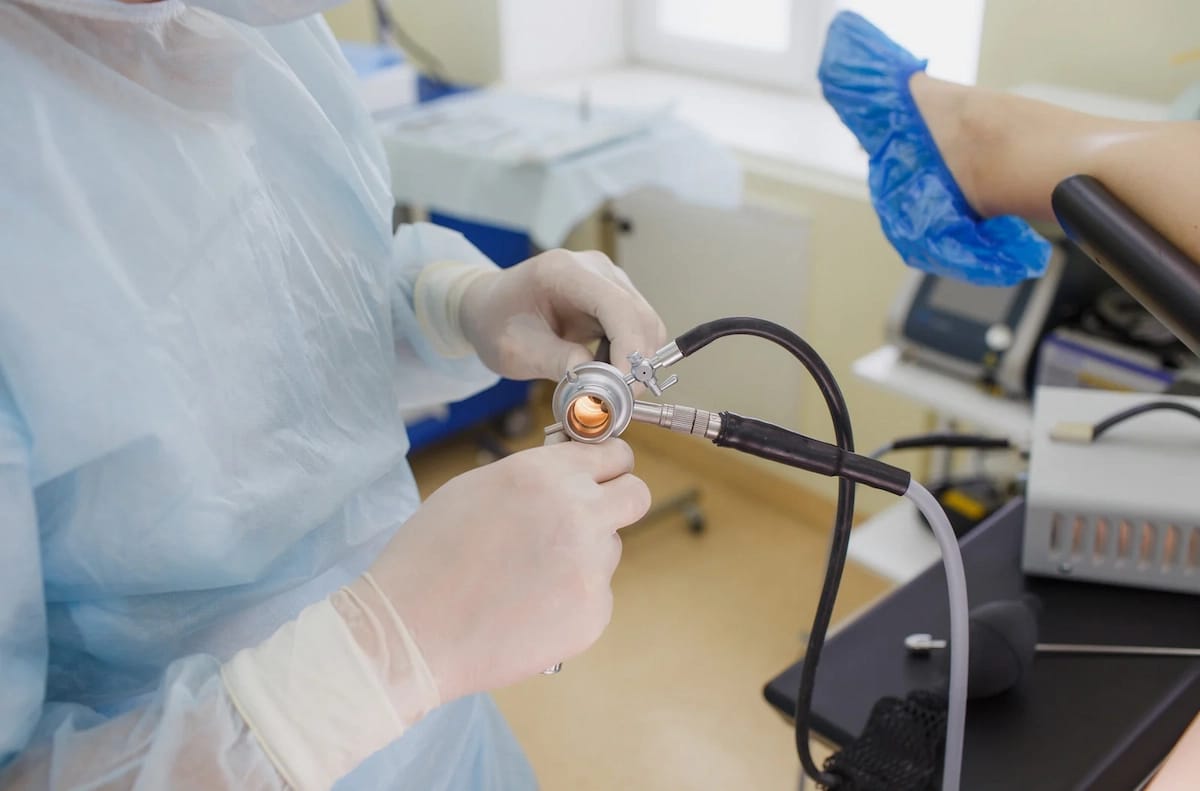
A colonoscopy is a diagnostic procedure used to examine the inside of the colon and rectum for abnormalities such as polyps, inflammation, or signs of disease. The test is performed using a long, flexible tube with a tiny camera at the end, called a colonoscope, which allows the gastroenterologist to view the entire colon in real time.
During the procedure, patients are typically sedated for comfort. The doctor carefully advances the colonoscope through the colon, inspecting the lining for any irregularities. If polyps or abnormal tissue are found, they can often be removed or biopsied during the same procedure. Colonoscopies are recommended every 5–10 years for adults over 45, or more frequently if there is a family history of colon cancer or other risk factors.
Do polyps always indicate a serious problem?
Polyps are common and usually benign (noncancerous) growths that can appear in the colon. However, some polyps have the potential to develop into cancer over time if not removed. Because of this, detecting and removing polyps during a colonoscopy is one of the most effective ways to prevent colon cancer.
Most people will develop at least one polyp during their lifetime, but regular colonoscopy screenings allow doctors to monitor changes and remove any polyps before they become a problem.
How is a colonoscopy beneficial for overall health?
A colonoscopy not only helps detect colon cancer early but also serves as a preventive tool to maintain long-term colon health. Removing polyps during the procedure can significantly reduce the risk of colorectal cancer.
In addition to detecting polyps, a colonoscopy can identify other gastrointestinal issues such as inflammation, ulcers, diverticulosis, and sources of unexplained bleeding.
Following a high-fiber diet, maintaining a healthy lifestyle, and scheduling routine colonoscopies as recommended by your doctor are key steps toward keeping your digestive system healthy.